

ROPME celebrated the Regional Environment Day on 24 April 2024 under the theme “The Effects of Coral Reef Degradation on Marine Life and Beaches.” The event brought together educational institutions, environmental organizations, and other stakeholders, reflecting the importance of raising awareness among communities and the younger generation.
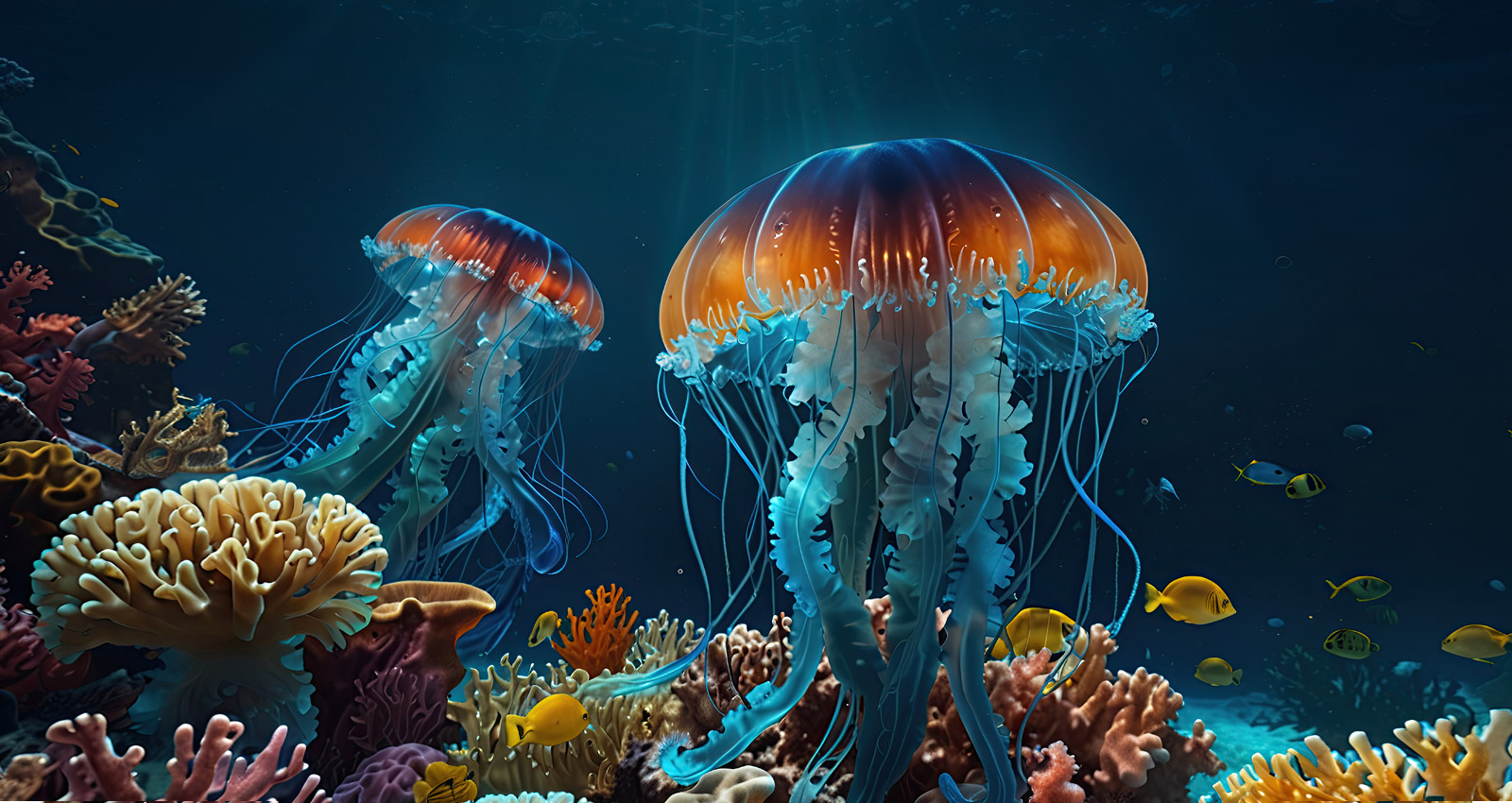
The programme highlighted the ecological significance of coral reefs, their role in sustaining biodiversity, and the direct and indirect services they provide to coastal communities. Presentations and discussions stressed the alarming consequences of coral reef degradation, including the loss of marine habitats, decline in fisheries, shoreline erosion, and reduced opportunities for tourism and recreation. The event underscored the urgent need for collective efforts in conservation, education, and community engagement to protect marine ecosystems for future generations.
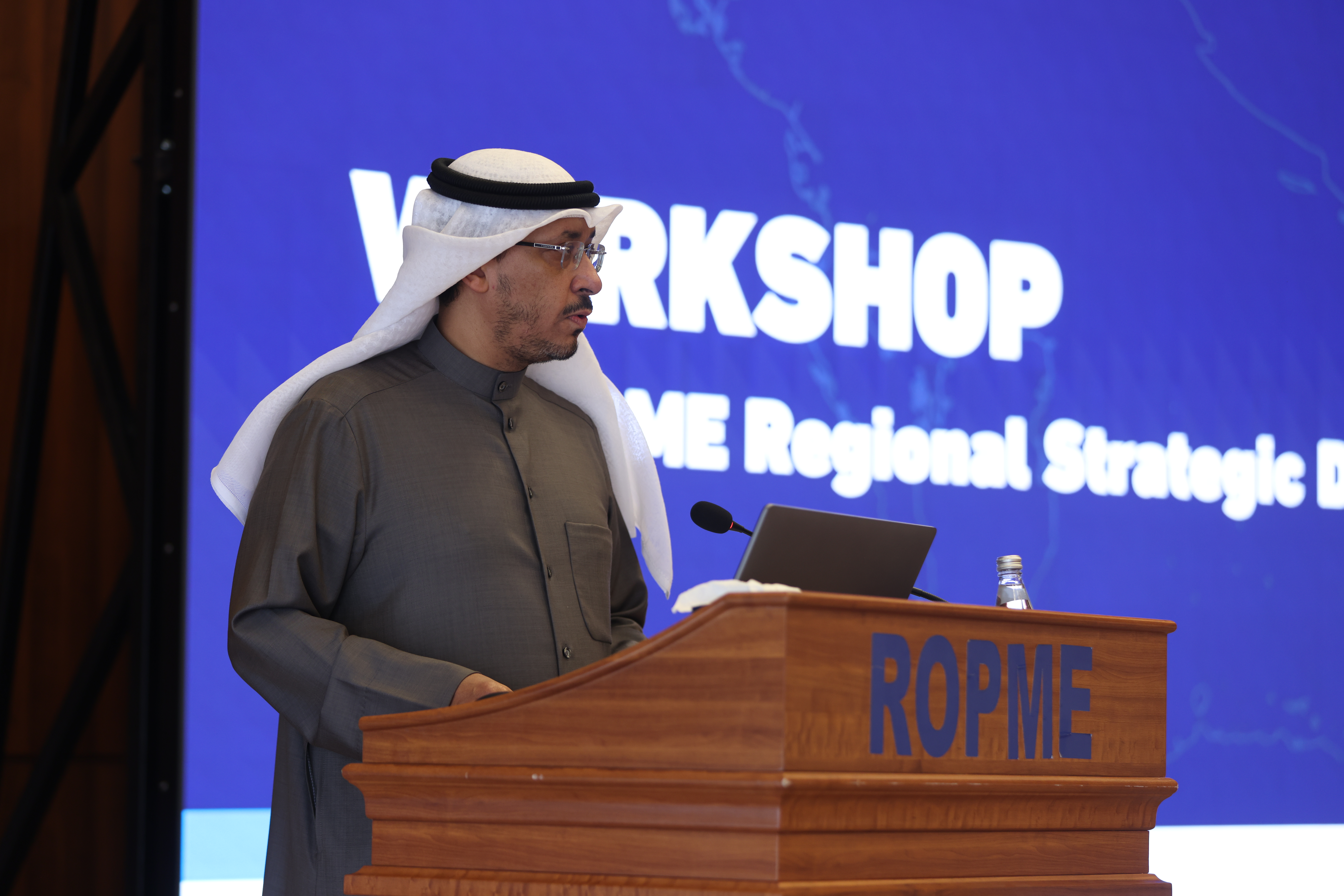
Further, ROPME convened a virtual workshop on coral reef restoration methods on 24 June 2024, bringing together Member States, researchers, and invited experts from King Abdullah University of Science and Technology (KAUST). The workshop aimed to exchange experiences, review innovative techniques, and identify opportunities for regional collaboration in restoring degraded reef systems.
Key presentations explored advanced restoration approaches such as coral micro fragmentation, nurseries, larval rearing, and the Bio rock technique. The workshop also emphasized the importance of long-term planning, monitoring, and evaluation to ensure the sustainability of restoration projects.
Participants shared national initiatives and experiences in reef restoration, including artificial reef programmes, the development of coral nurseries, habitat protection, awareness campaigns, and the use of innovative monitoring technologies.
The workshop concluded with a collective call for greater regional cooperation, knowledge-sharing, and integration of new technologies to accelerate restoration efforts. By fostering partnerships and building capacity, Member States affirmed their commitment to safeguarding coral reefs as vital ecosystems that support marine biodiversity, coastal resilience, and the well-being of regional communities.