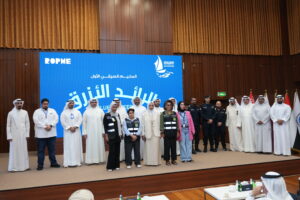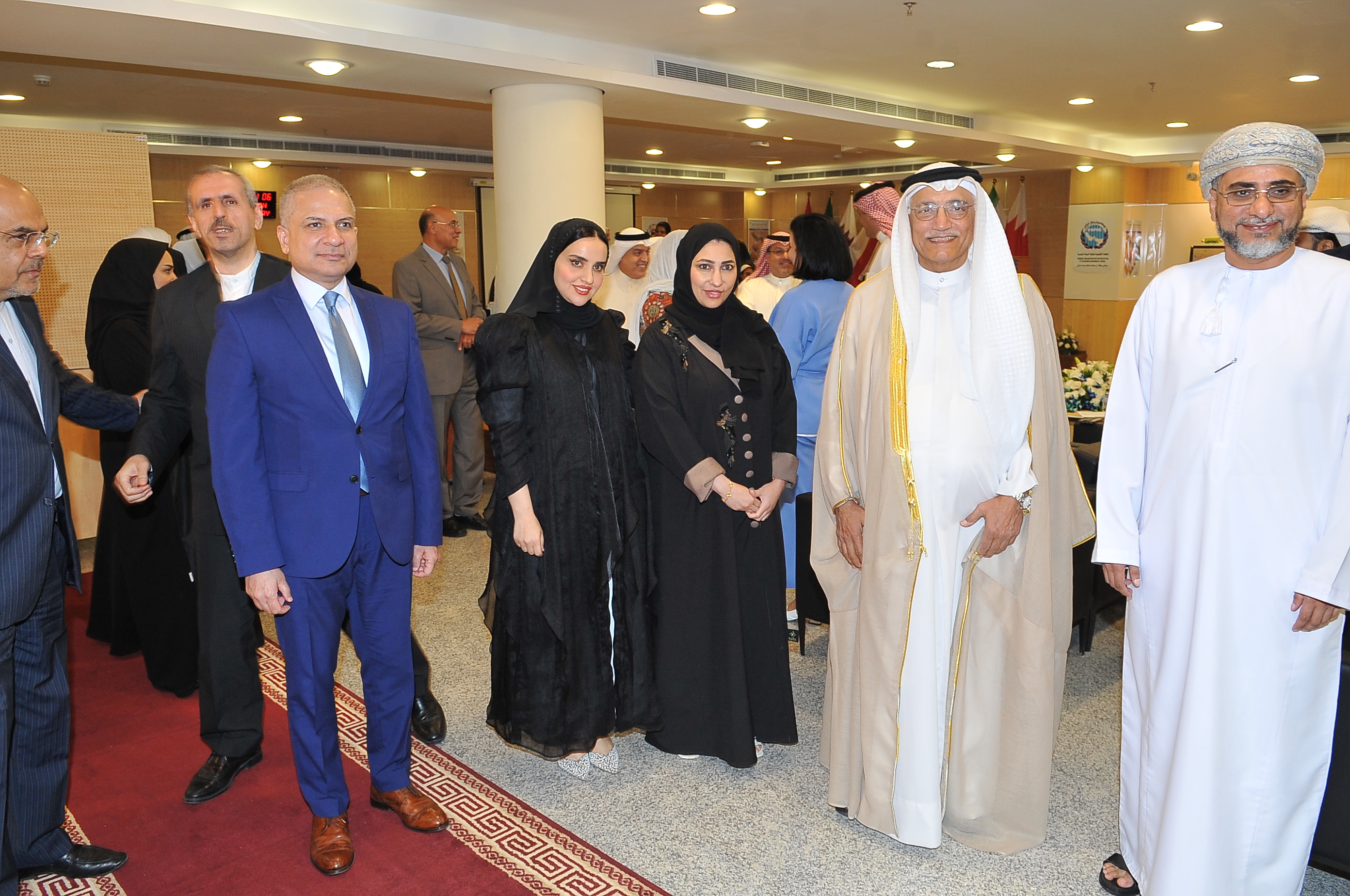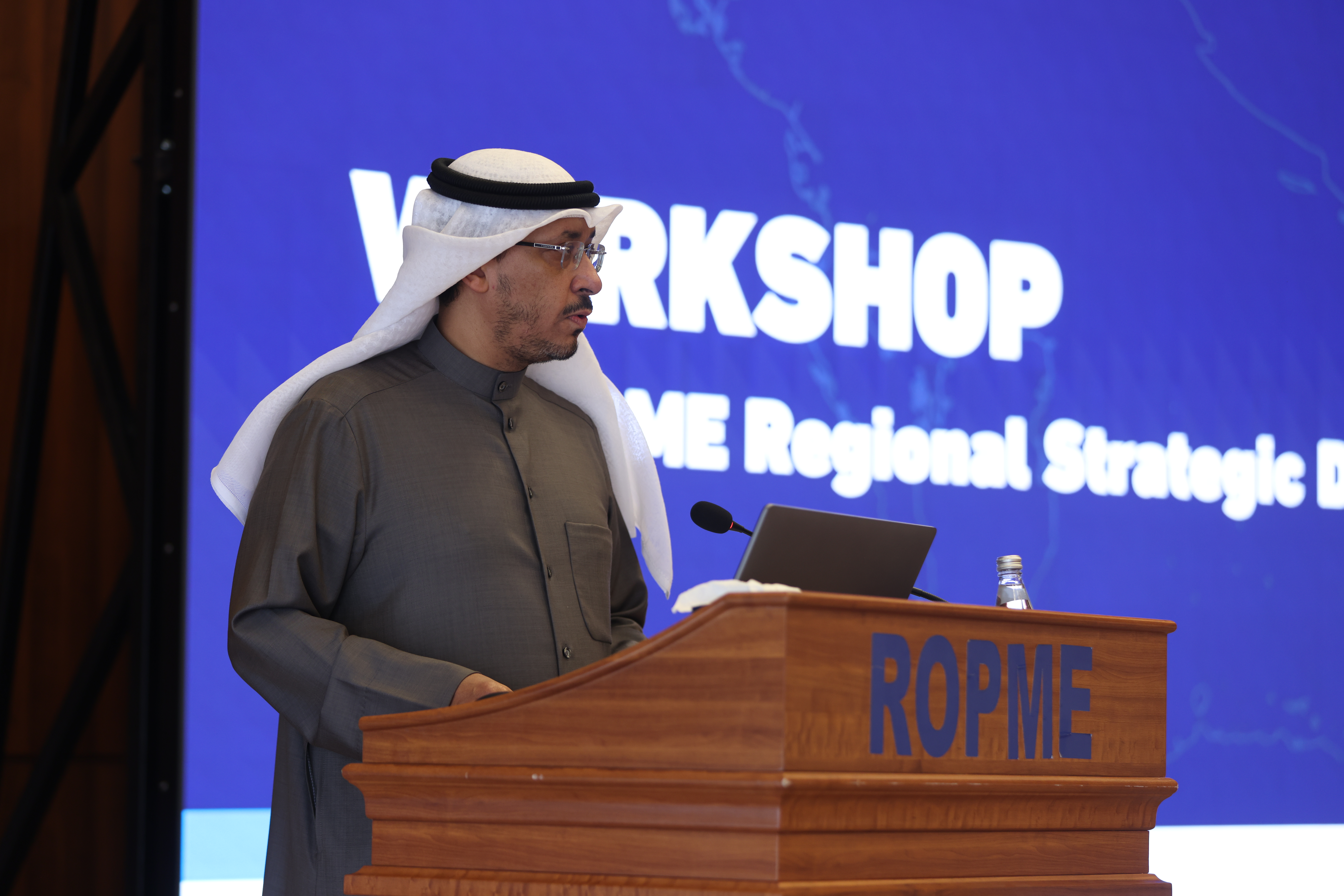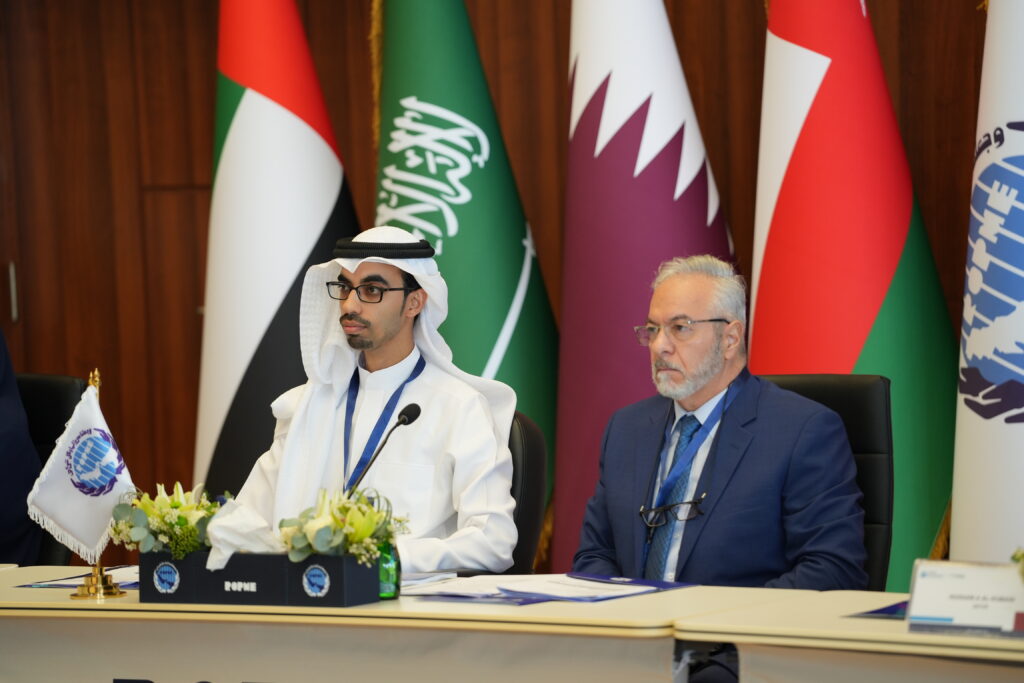


The Regional Organization for the Protection of the Marine Environment (ROPME), in collaboration with the UK Centre for Environment, Fisheries and Aquaculture Science (Cefas), convened the Regional Marine Litter Workshop 2024 from 14–16 October 2024 at the ROPME Headquarters in Kuwait. The workshop brought together around 45 participants from all ROPME Member States, along with regional and international experts, to strengthen cooperation on tackling marine litter and plastic pollution.
Over three days, delegates exchanged national experiences, presented scientific case studies, and discussed monitoring approaches for both macro- and microplastics. Sessions highlighted ongoing research across the region, while working groups focused on identifying suitable indicators for the ROPME Sea Area and harmonising protocols to ensure consistency in data collection and reporting. Practical components of the workshop included a field demonstration on beach litter monitoring and a visit to the Kuwait Institute for Scientific Research (KISR), where participants observed advanced laboratory techniques for microplastic analysis.
The workshop also benefited from the contributions of the United Nations Environment Programme (UNEP) and the Intergovernmental Oceanographic Commission of UNESCO (IOC-UNESCO), which provided perspectives on aligning regional efforts with international standards. The active role of KISR further enriched the programme through its technical expertise and demonstration of research capacity. In concluding the meeting, delegates collectively underscored the urgent need for enhanced coordination and regional action to effectively combat marine litter. They agreed on a set of key recommendations designed to provide a structured way forward. These included the establishment of a ROPME Technical Working Group on Marine Litter to coordinate scientific and policy-related efforts; the development of regional guidelines and harmonised monitoring protocols; and the initiation of national pilot studies to test and refine methodologies within different country contexts. Delegates also endorsed the idea of creating a Regional Centre of Excellence and data portal, which would serve as a hub for capacity-building, data sharing, and research cooperation, ultimately strengthening evidence-based policymaking in the ROPME Sea Area. Together, these outcomes marked an important step toward building a comprehensive and collaborative regional framework to address marine litter challenges.