

Filters
0
—
Biodiversity
-

Biodiversity
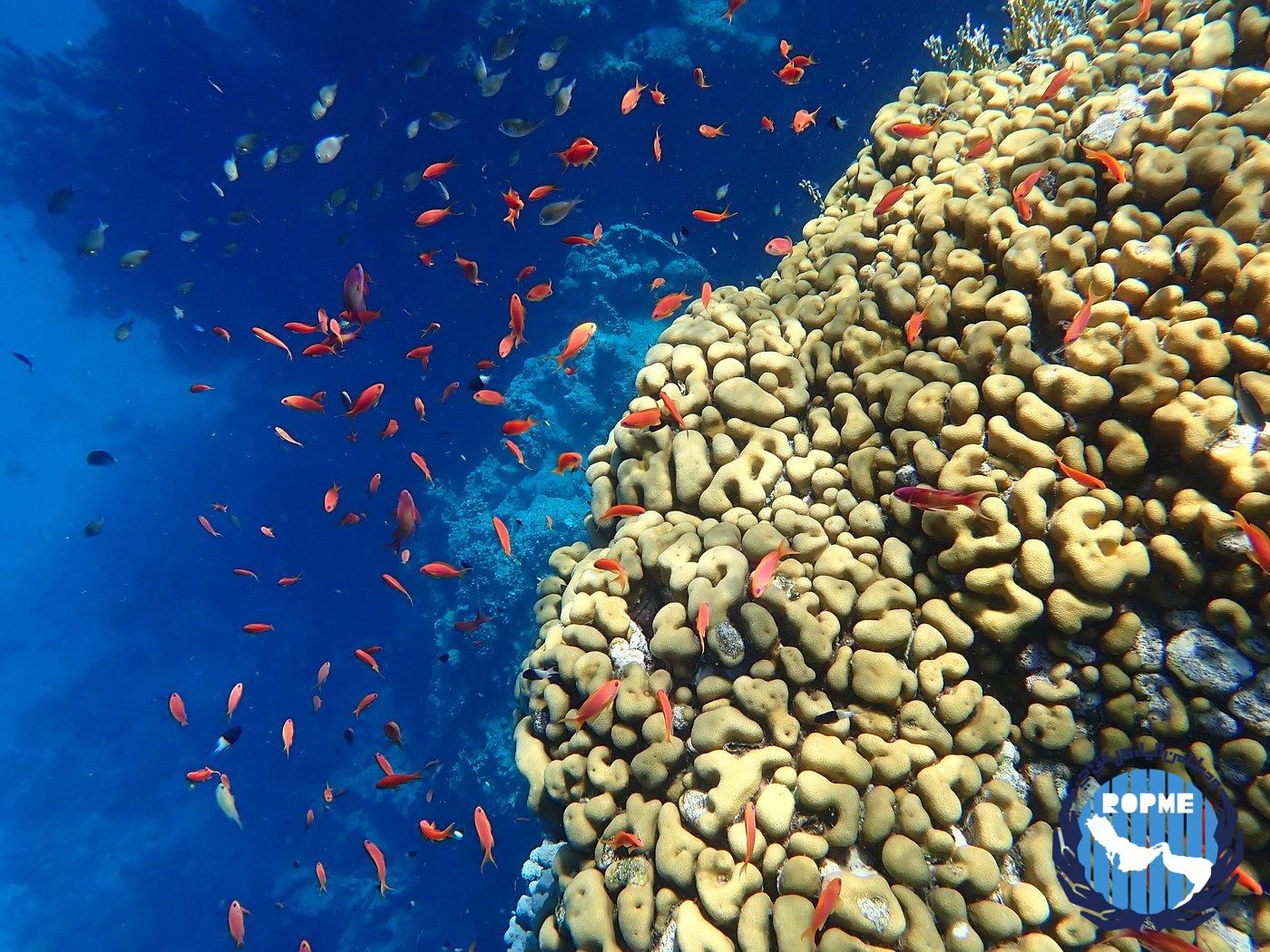
The ROPME Sea Area hosts a diverse and ecologically rich marine ecosystem that supports significant fisheries. This region is home to a variety of commercially and ecologically important species, such as groupers, snappers, mackerels, and shrimp, which thrive in habitats like coral reefs, seagrass meadows, and mangroves. Fisheries play a critical role in the livelihoods…
-
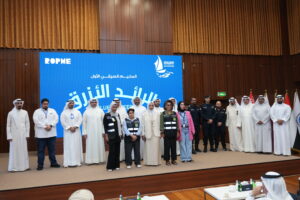
Blue Pioneers Graduation 2025
The closing ceremony, held within the distinguished halls of the ROPME headquarters, was far more than a formal conclusion; it was a vibrant convergence of diplomatic and environmental influence. The atmosphere was charged with anticipation and pride as a diverse coalition of stakeholders gathered to celebrate the cohort’s achievements. The audience represented a cross-section of
-
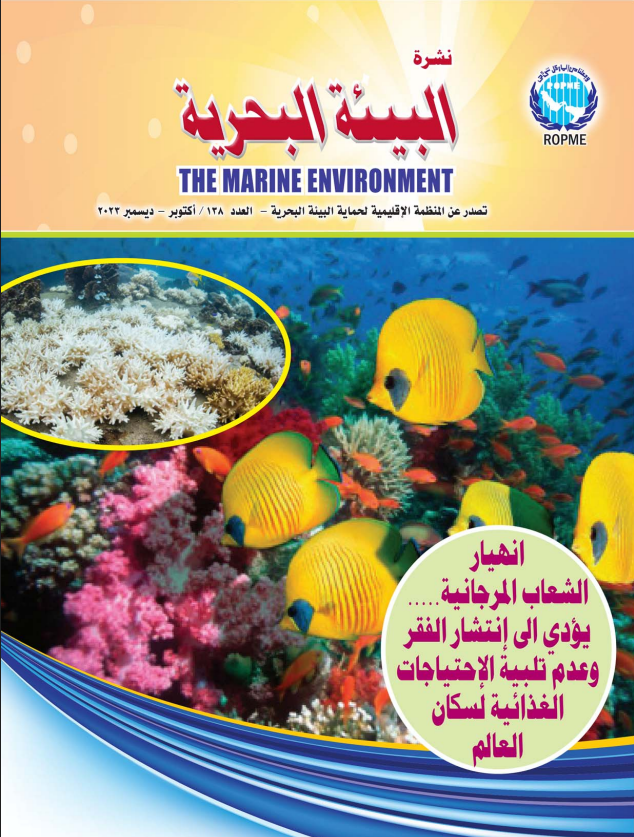
Coral reef collapse… leads to poverty and unmet food needs
Coral reef collapse destroys fisheries that many coastal communities depend on, leading to loss of income and rising poverty. As fish populations decline, affordable protein becomes scarce, causing unmet food needs and increasing malnutrition, especially among vulnerable groups. The loss of reefs also removes natural coastal protection, worsening economic hardship and trapping communities in long-term…
-
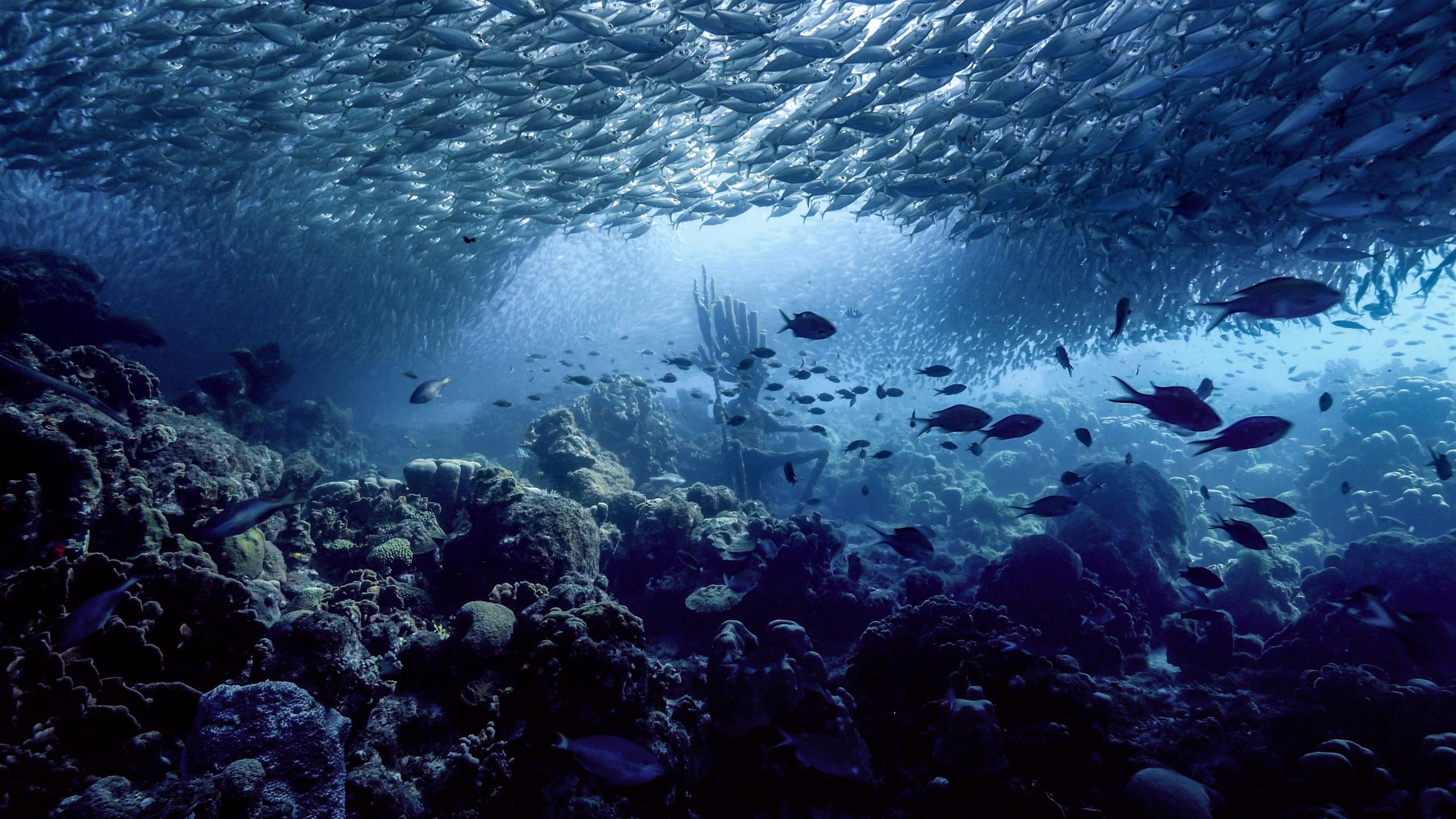
Example Video Album
Lorem Ipsum is a type of temporary text commonly used in the design and publishing industries to fill space on a page and give an impression of the final appearance of the content. Lorem Ipsum is derived from a Latin text written by the Roman philosopher Cicero and has been used since the 1960s. The…
-
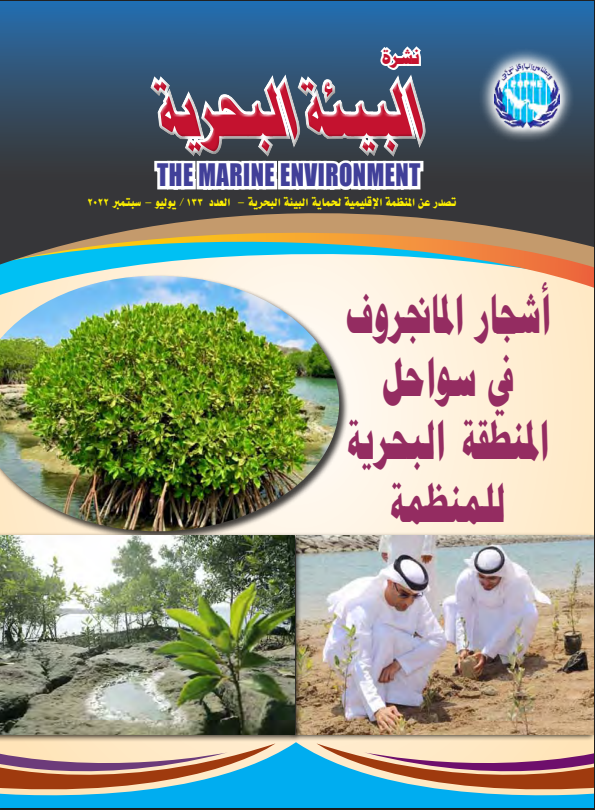
Mangrove trees in the coastal marine area of the organization
Mangrove trees along the coasts of the Organization’s marine region play a vital role in maintaining the health and stability of coastal and marine ecosystems. These trees are uniquely adapted to saline waters and harsh coastal conditions, allowing them to thrive where few other plants can survive. By stabilizing shorelines and reducing coastal erosion, mangroves…
-
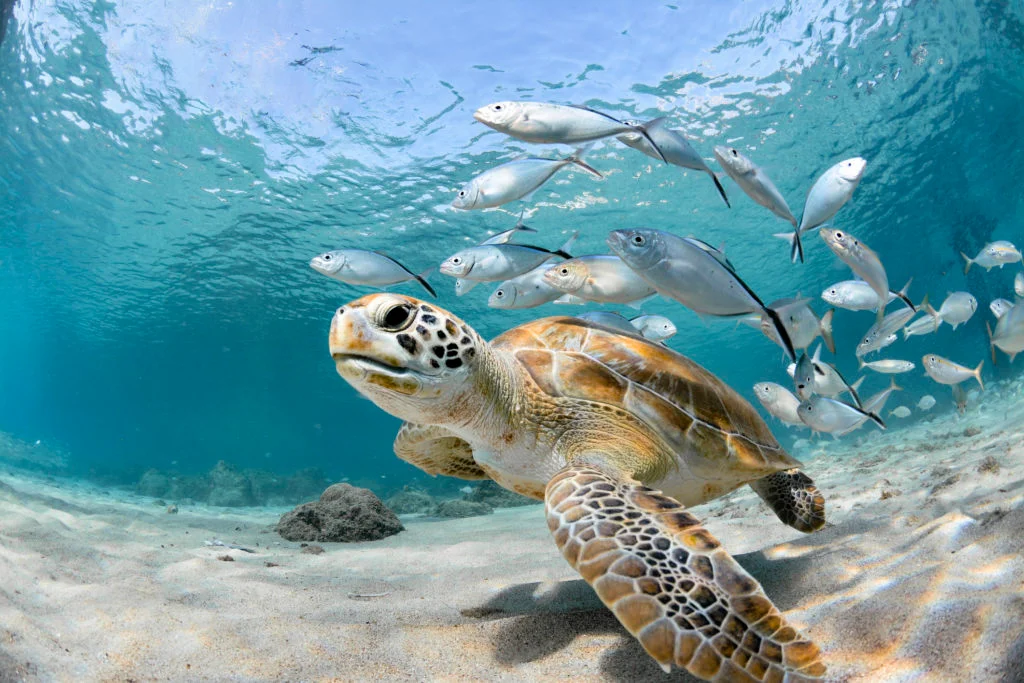
Protection of Marine Biodiversity in the RSA
Biodiversity of the ROPME Sea Area (RSA) consists of a number of different individual species of organisms living in a variety of marine ecosystems. They are ecological, economical and socio-cultural importance, and also conservational importance when they become in threatened levels.
-

Regional Environment Day of the year 2022 under the title “The Role of Blue Carbon Habitats in Mitigating the Effects of Climate Change
The Regional Environment Day 2022 was a landmark digital gathering, conducted entirely virtually under the critical theme, “The Role of Blue Carbon Habitats in Mitigating the Effects of Climate Change.” To engage the younger generation and foster a deeper connection with nature, ROPME orchestrated a series of creative initiatives designed to raise awareness about these
-
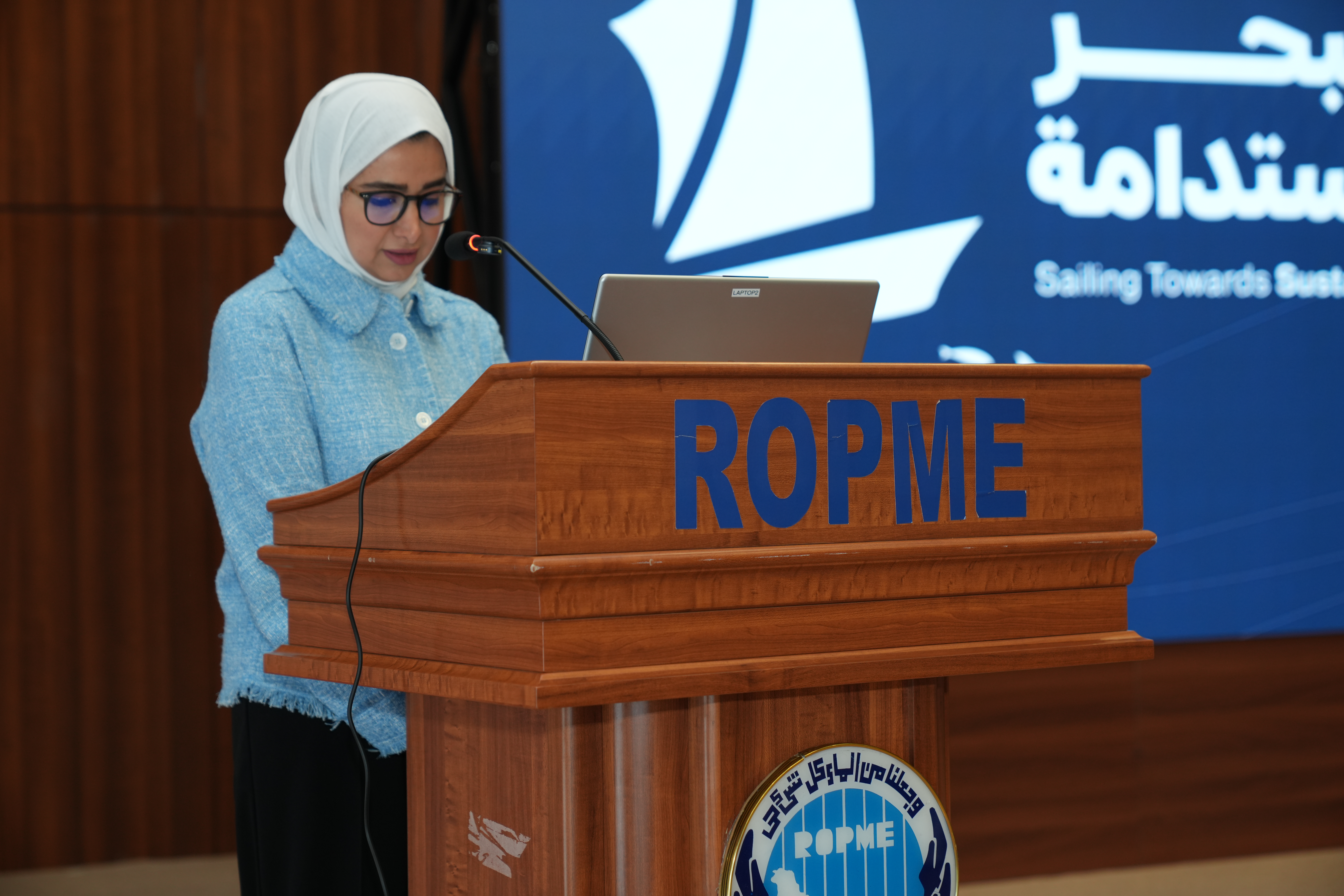
Regional Environmental Day
The annual Regional Environmental Day serves as a vital platform for Member States to unite in their commitment to safeguarding our shared marine and coastal ecosystems. By bringing together policymakers, environmental experts, and local communities, the event fosters regional cooperation, raises public awareness, and drives actionable solutions to combat pressing ecological challenges. It is a…
-

ROPME Non-Native Invasive Species Project and Specialized Training Workshop-“Aquatic Species Invasiveness Screening Kit (As-Isk)”
The ROPME Non-Native Invasive Species Project (December 2024–December 2025) aims to address the growing threat of invasive marine species in the ROPME Sea Area (RSA), one of the world’s busiest shipping routes with up to 50,000 ships annually. These species can spread rapidly, outcompete native life, and cause severe environmental, economic, and health impacts. Coordinated