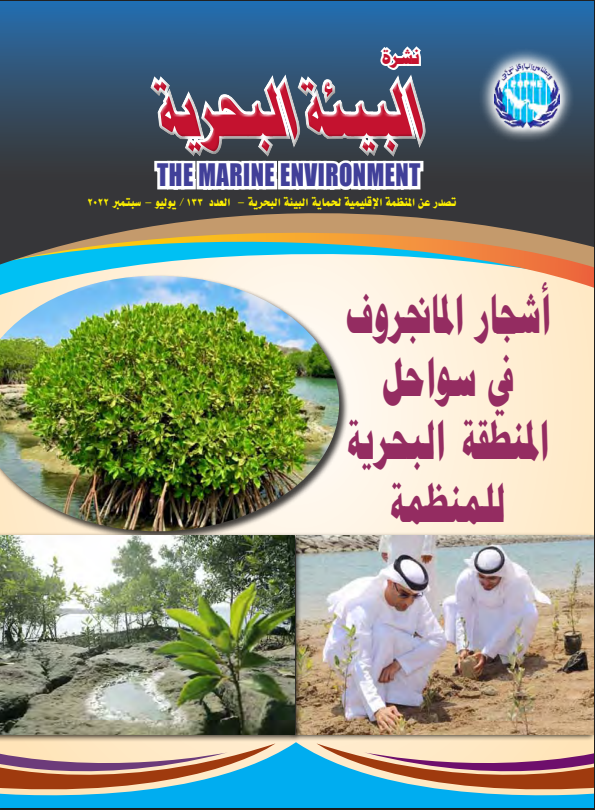


Mangrove trees along the coasts of the Organization’s marine region play a vital role in maintaining the health and stability of coastal and marine ecosystems. These trees are uniquely adapted to saline waters and harsh coastal conditions, allowing them to thrive where few other plants can survive. By stabilizing shorelines and reducing coastal erosion, mangroves act as natural protective barriers against waves, storms, and rising sea levels.
In addition to coastal protection, mangroves support rich biodiversity within the marine environment. Their complex root systems provide nursery grounds and shelter for many species of fish, crustaceans, and birds, making them essential for sustaining fisheries and food security in the region. Healthy mangrove ecosystems contribute directly to the livelihoods of coastal communities that depend on marine resources for income and nutrition.
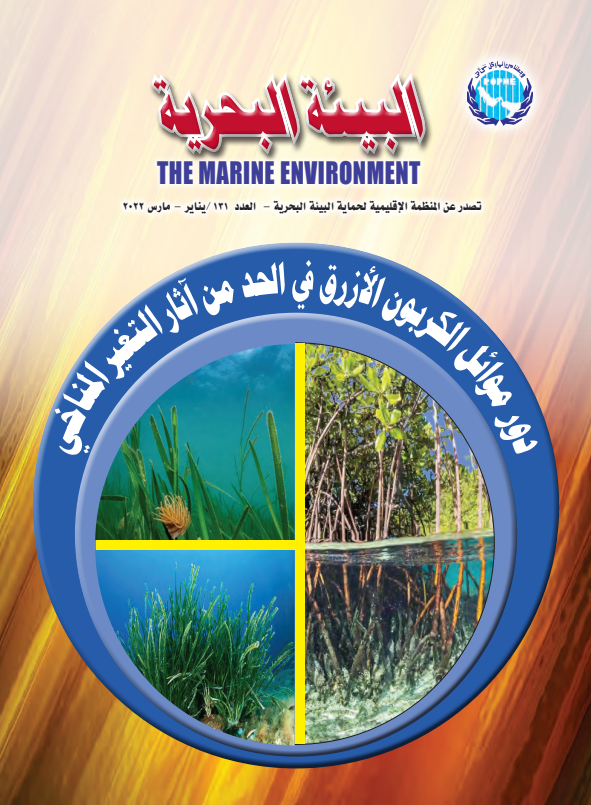
Mangroves also play an important role in climate change mitigation. They are highly effective at capturing and storing carbon, known as blue carbon, helping to reduce greenhouse gas concentrations in the atmosphere. Protecting and restoring mangrove forests within the Organization’s marine area is therefore an environmental, economic, and strategic priority that supports sustainable development and long-term resilience of coastal ecosystems.