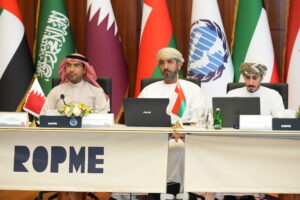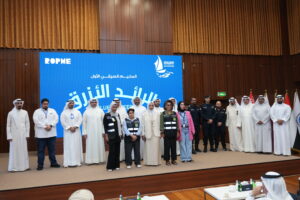


The project officially kicked off with a lively virtual meeting on December 23, 2024, paving the way for a comprehensive regional initiative. This digital meeting was immediately followed by a high-impact five-day in-person workshop from January 5 to 9, 2025, which focused intensively on the use of the Aquatic Species Invasion Risk Screening Toolkit (AS-ISK). These foundational events brought together a diverse and dedicated group of 34 participants, including:
- Representatives of member countries: Key environmental officials from OAS member countries.
- Professional staff of the organization: Technical experts facilitating the program.
- Strategic stakeholders: Partners concerned with regional biosecurity and marine environmental health.
The workshop served as a crucial capacity-building platform, designed not only to present the project framework, but also to equip participants with the practical skills necessary for immediate application. Through hands-on sessions and expert-led training, attendees gained proficiency in using the AS-ISK tool to assess the risks posed by non-native aquatic species. The curriculum was structured to ensure a solid understanding of invasive species management, covering key technical areas such as:
- Risk screening protocols: methodologies for identifying high-risk species before they become established.
- Data interpretation: Techniques for analyzing biological and ecological data.
- Policy alignment: Integrating scientific findings into national and regional policy frameworks.
This initial phase successfully laid the foundation for an ambitious 10-month program that will extend beyond the training room. Participants left the workshop ready to lead a series of country case studies, translating theoretical knowledge into actionable regional data. The project’s roadmap is extensive and includes several key outputs:
- Comprehensive reporting: Compiling results to inform future conservation strategies.
- Statistical assessments: Accurate analysis of data to measure the risk of invasion.
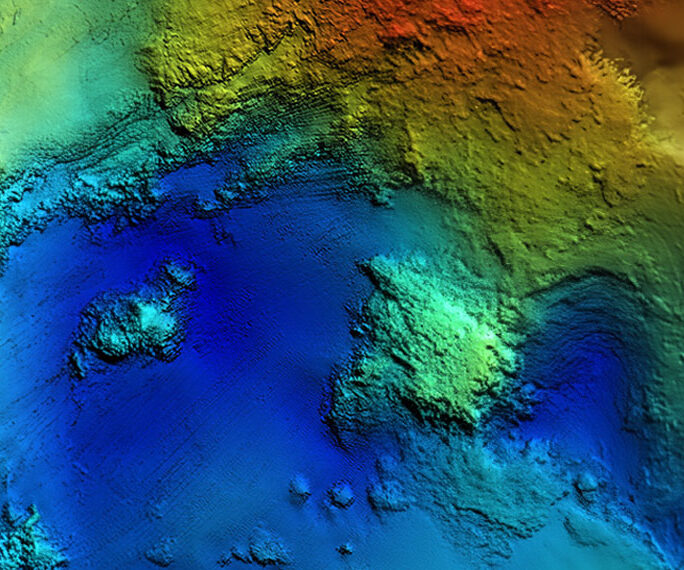
- Mapping with geographic information systems (GIS): Visualizing the potential spread and impact of invasive species.