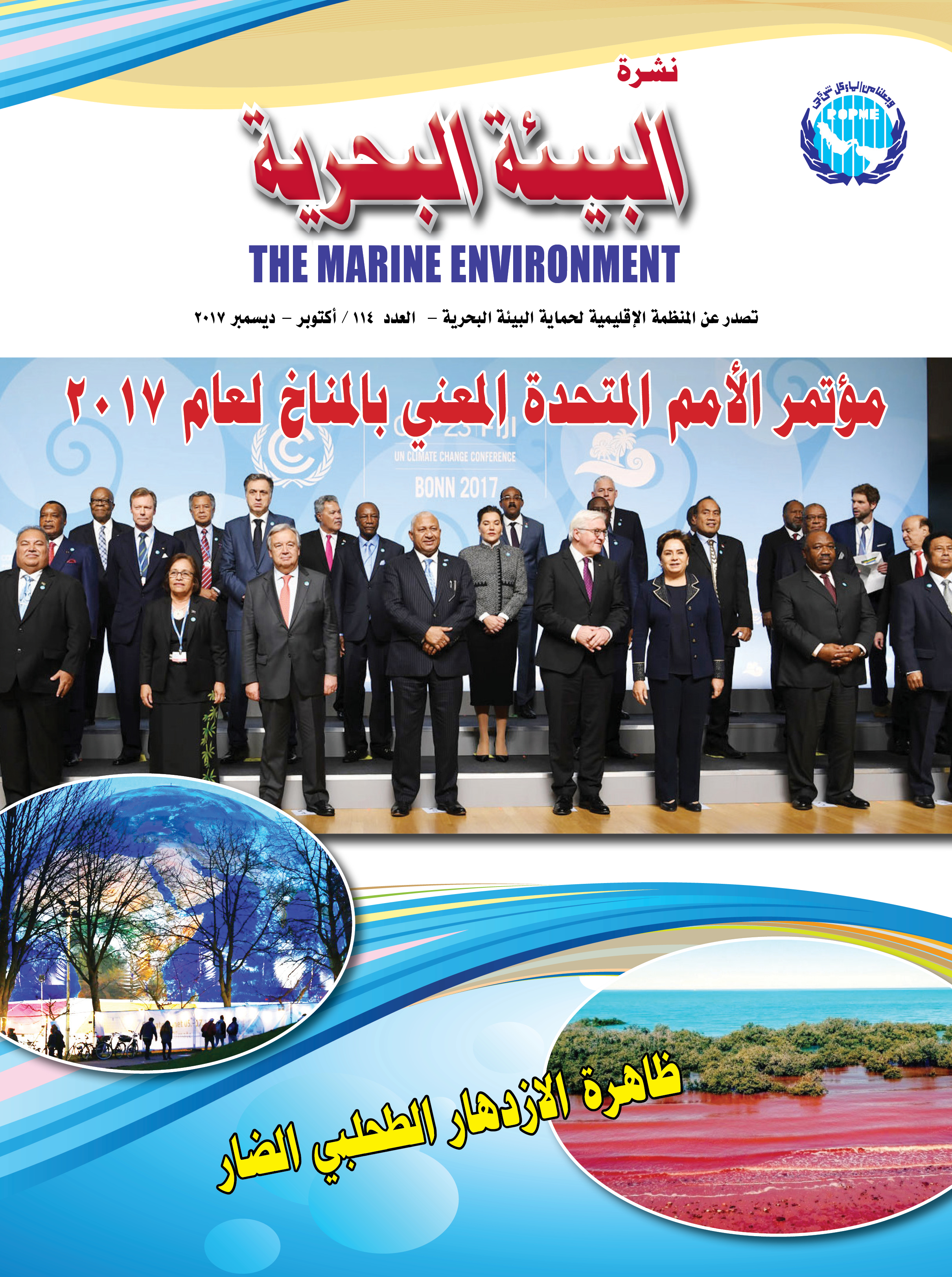

Issue 3

Filters
0
—
Magazines
Publication Date
1985
Issue
3
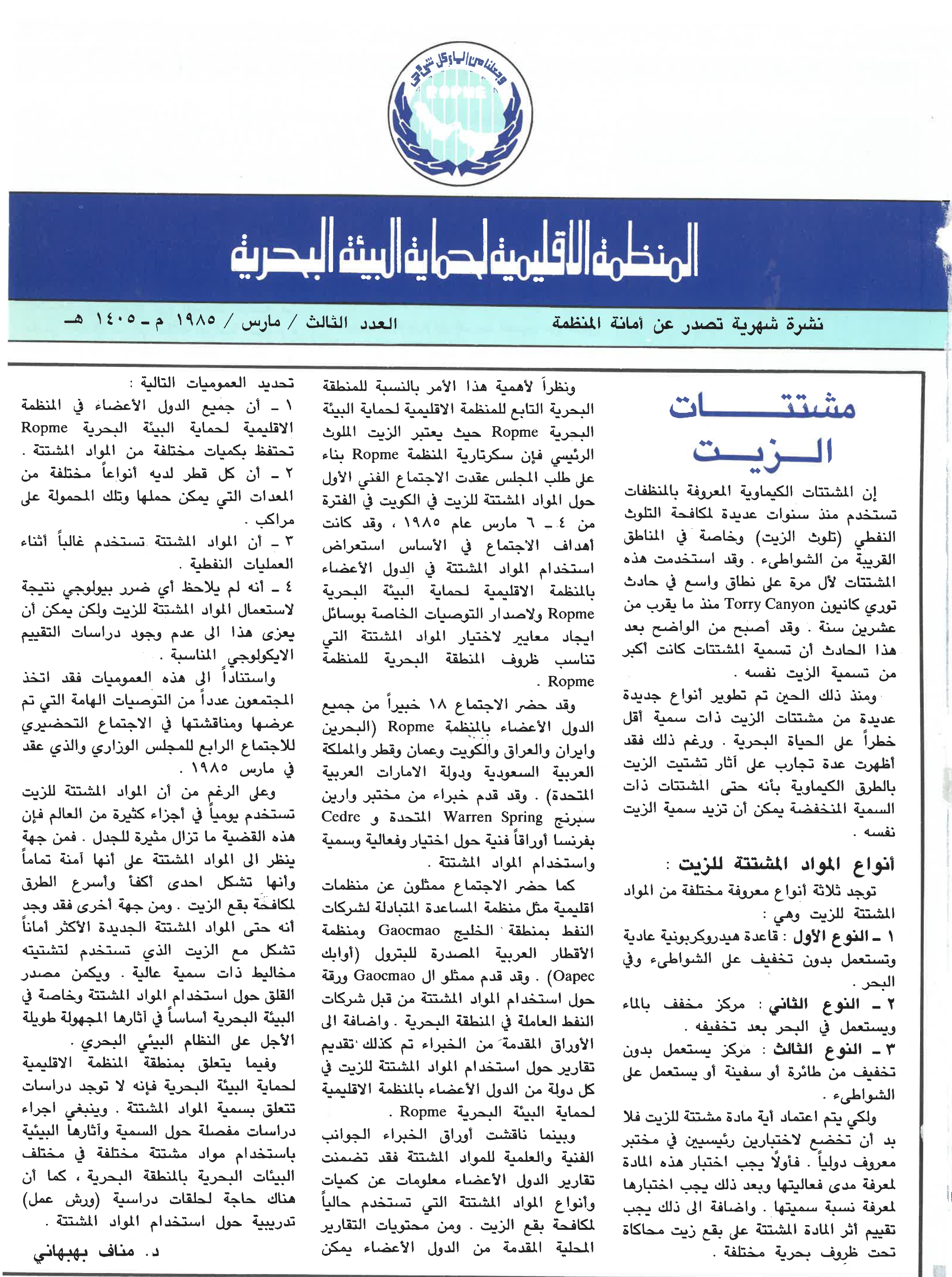
-
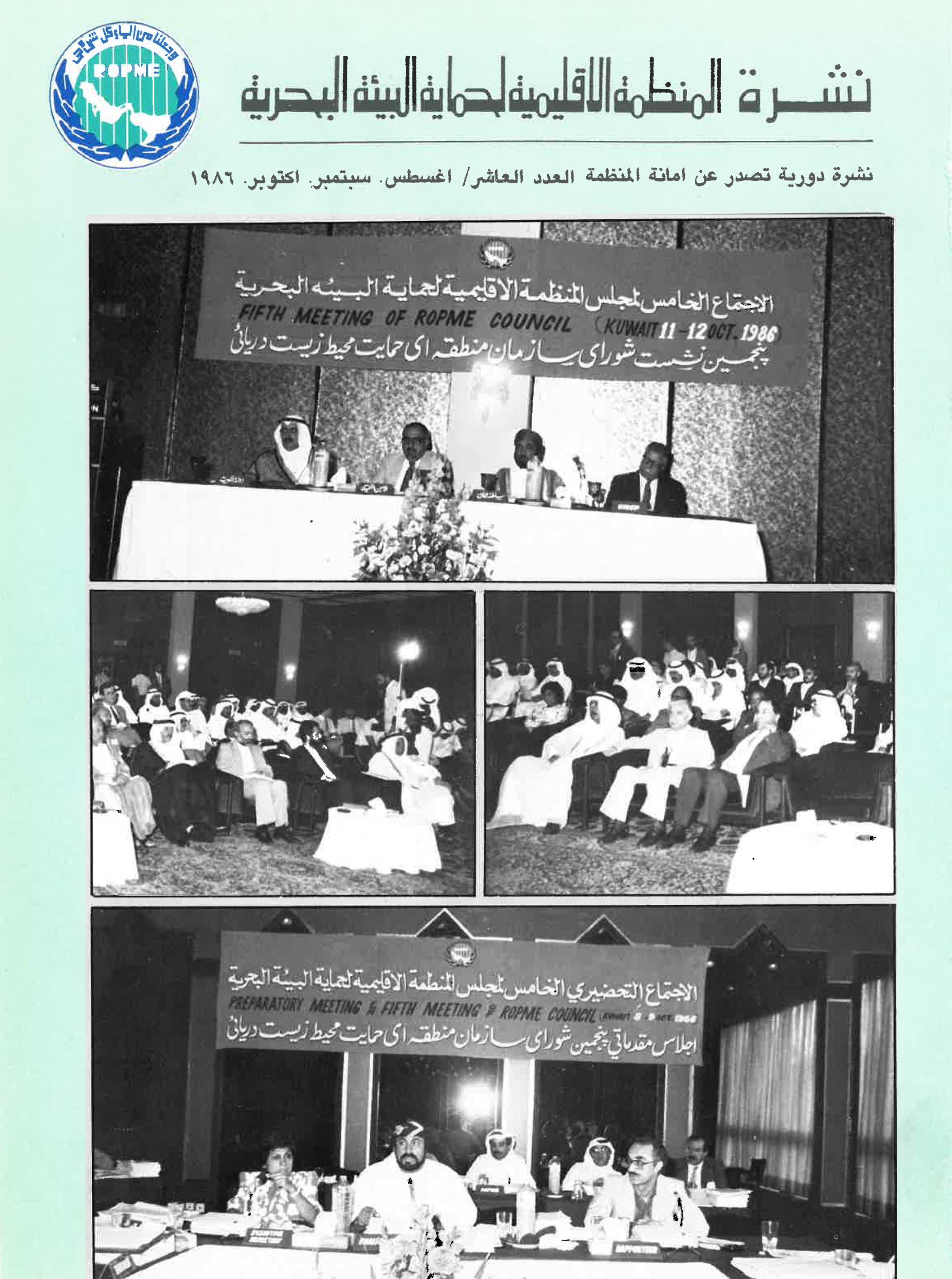
-
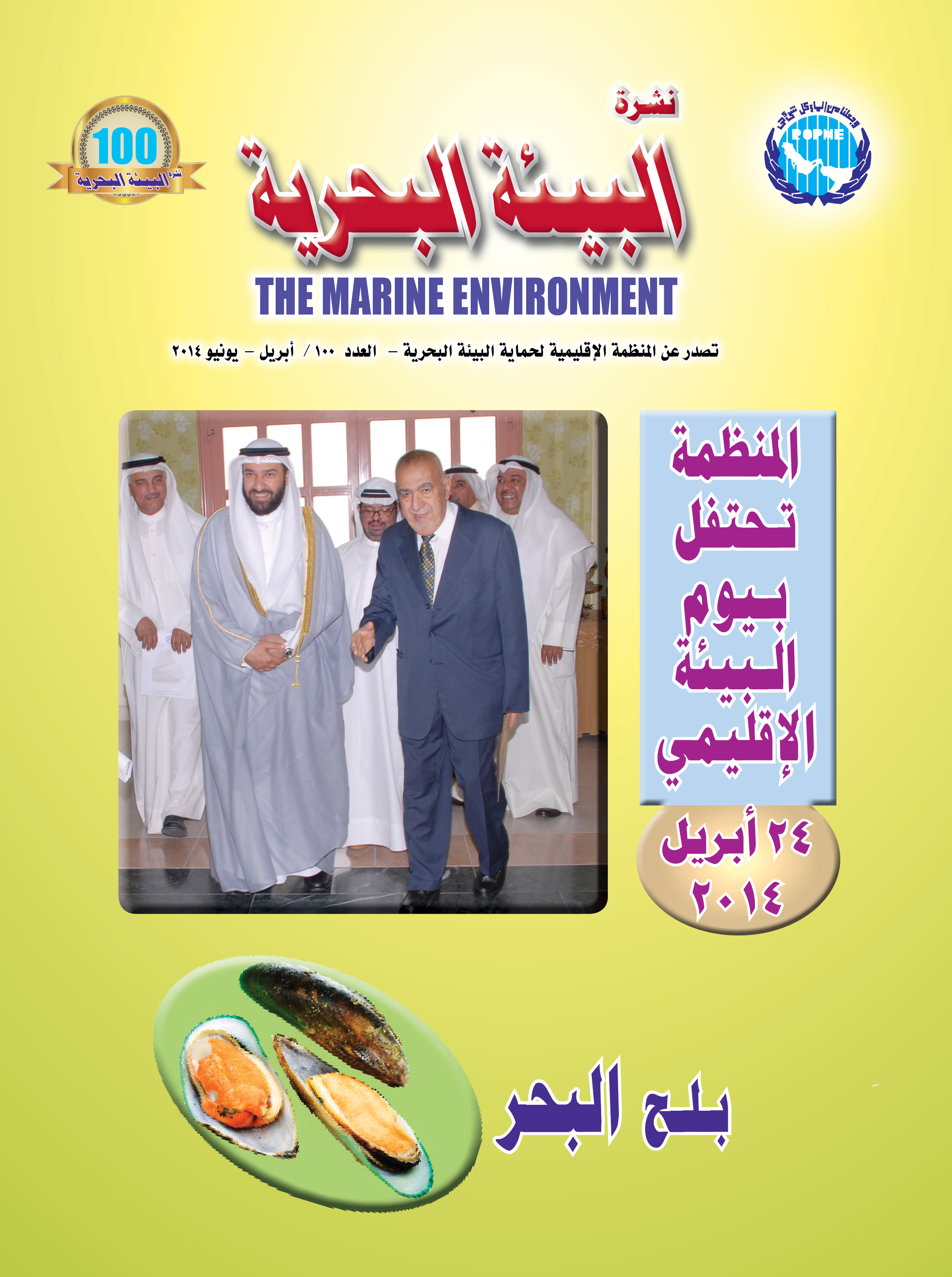
-
-
-
-
to
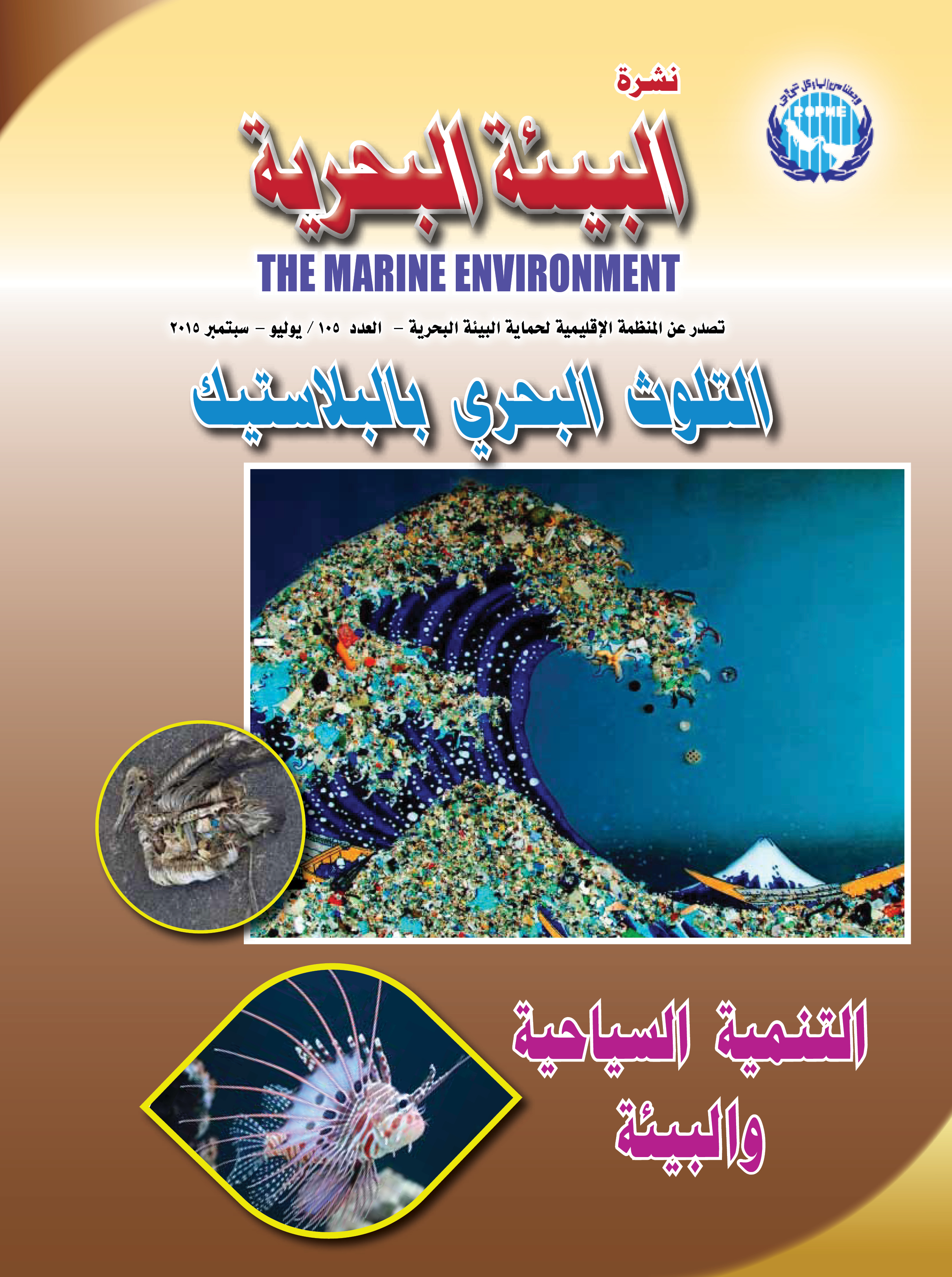
The Marine EnvironmentPublished by the Regional Organization for the Protection of the Marine Environment – Issue 105 / July – September 2015
-
to
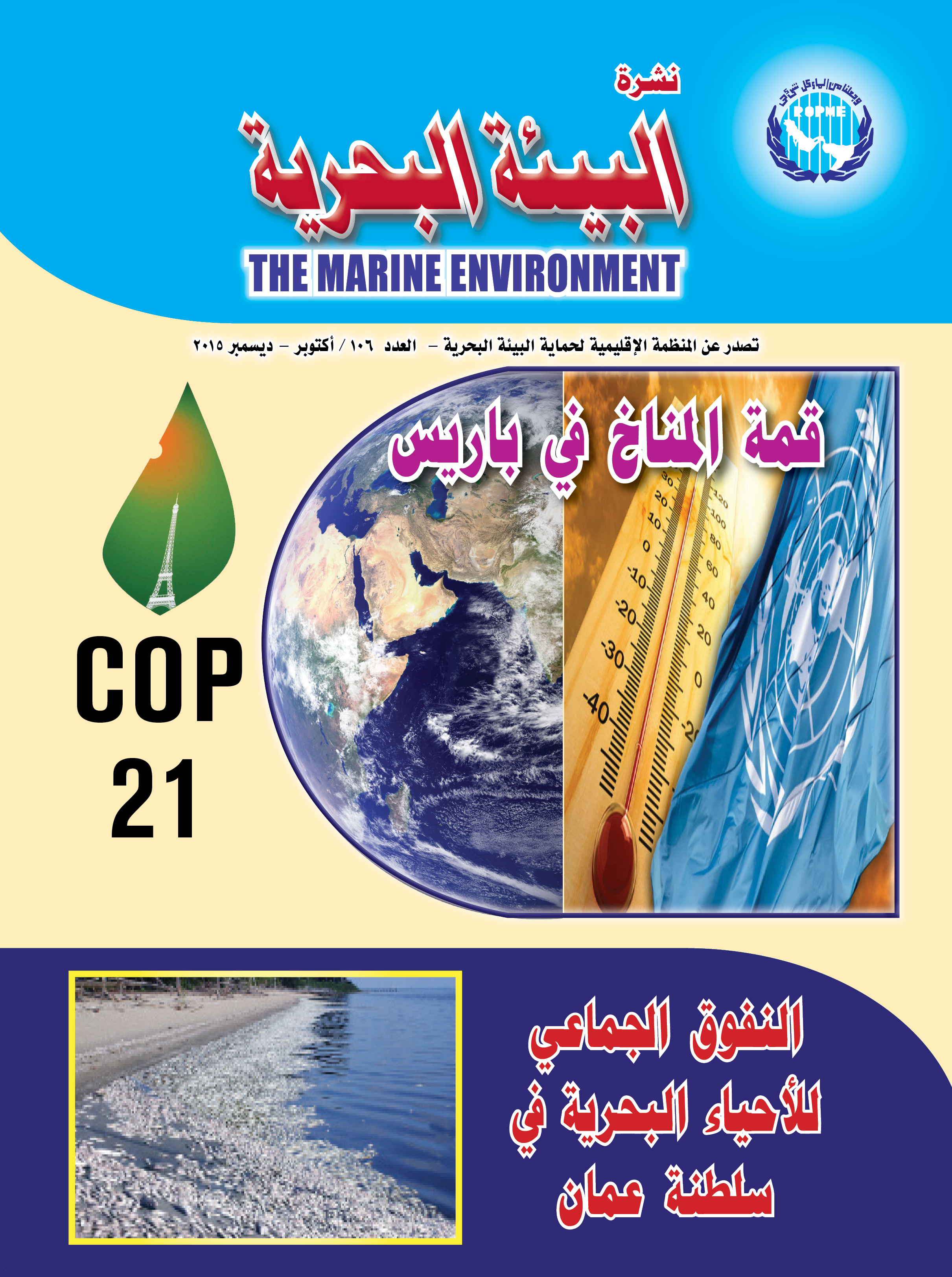
Marine Environment BulletinThe Marine EnvironmentPublished by the Regional Organization for the Protection of the Marine Environment – Issue 106 / October-December 2015Paris Climate Summit
-
to
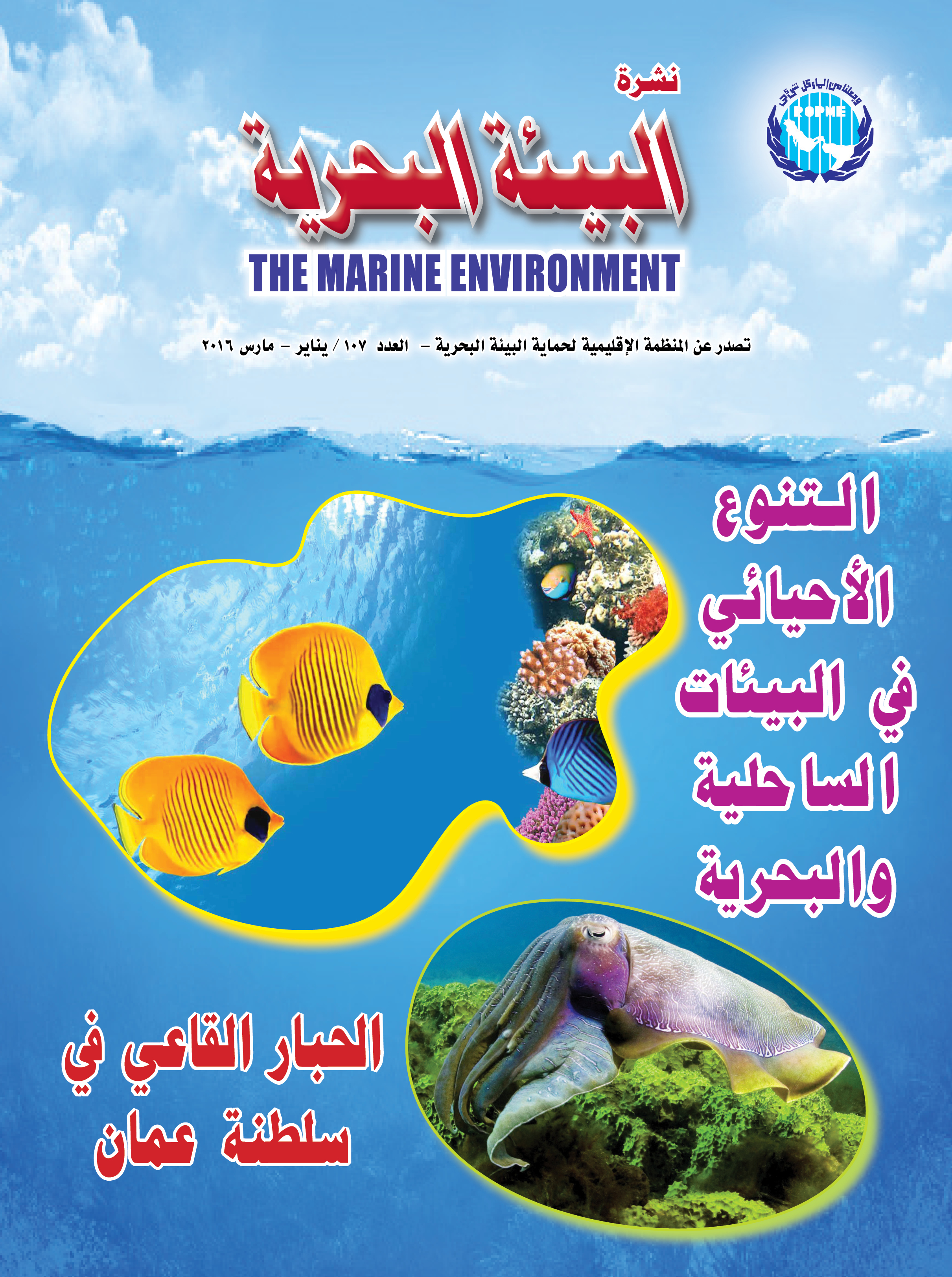
Marine Environment BulletinThe Marine EnvironmentPublished by the Regional Organization for the Protection of the Marine Environment –Issue 107 / January – March 2016
-
to
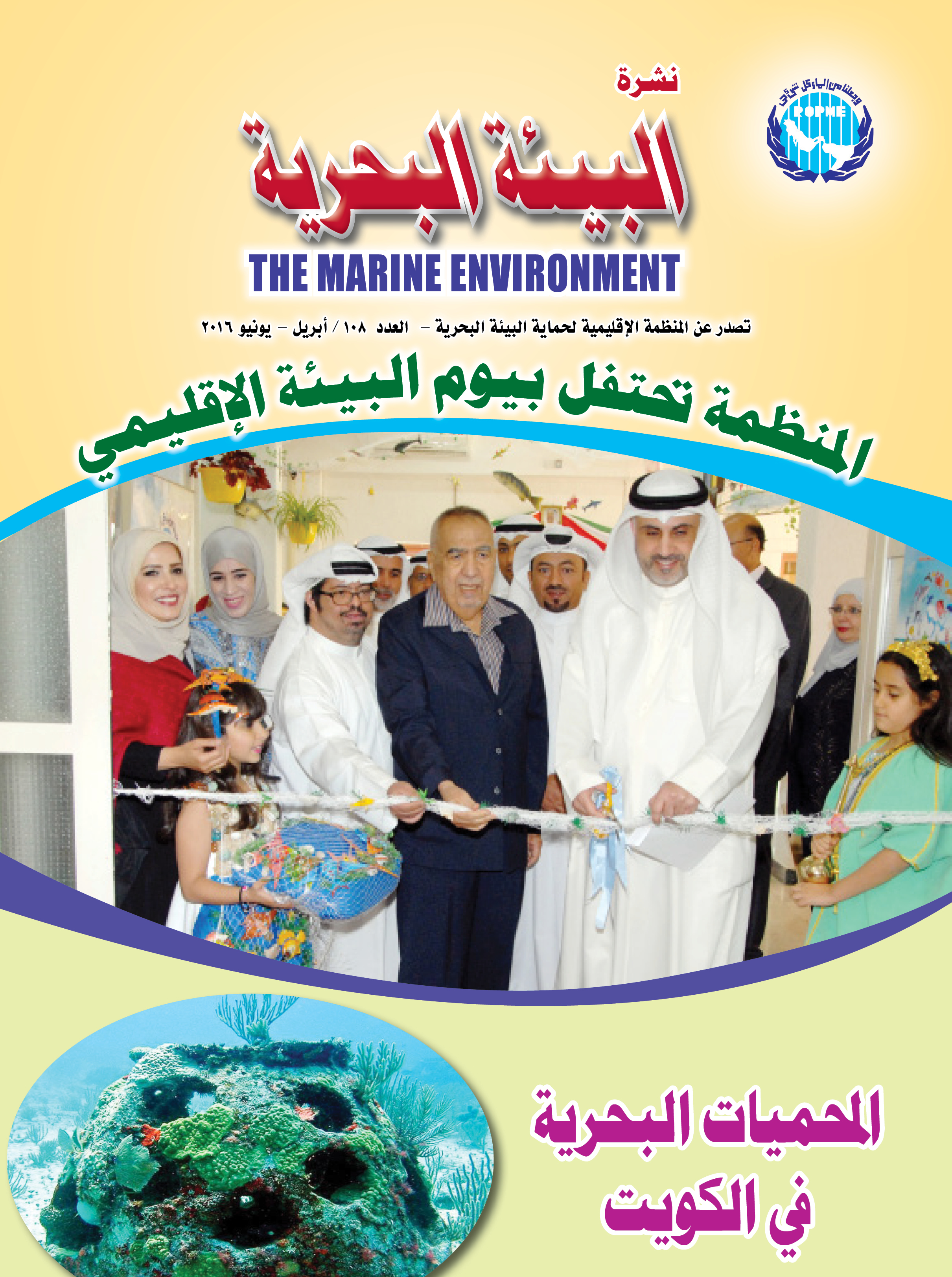
Marine Environment BulletinThe Regional Organization for the Protection of the Marine EnvironmentIssue 108 / April-June 2016The Organization celebrates Regional Environment DayMarine Reservesin Kuwait
-
to
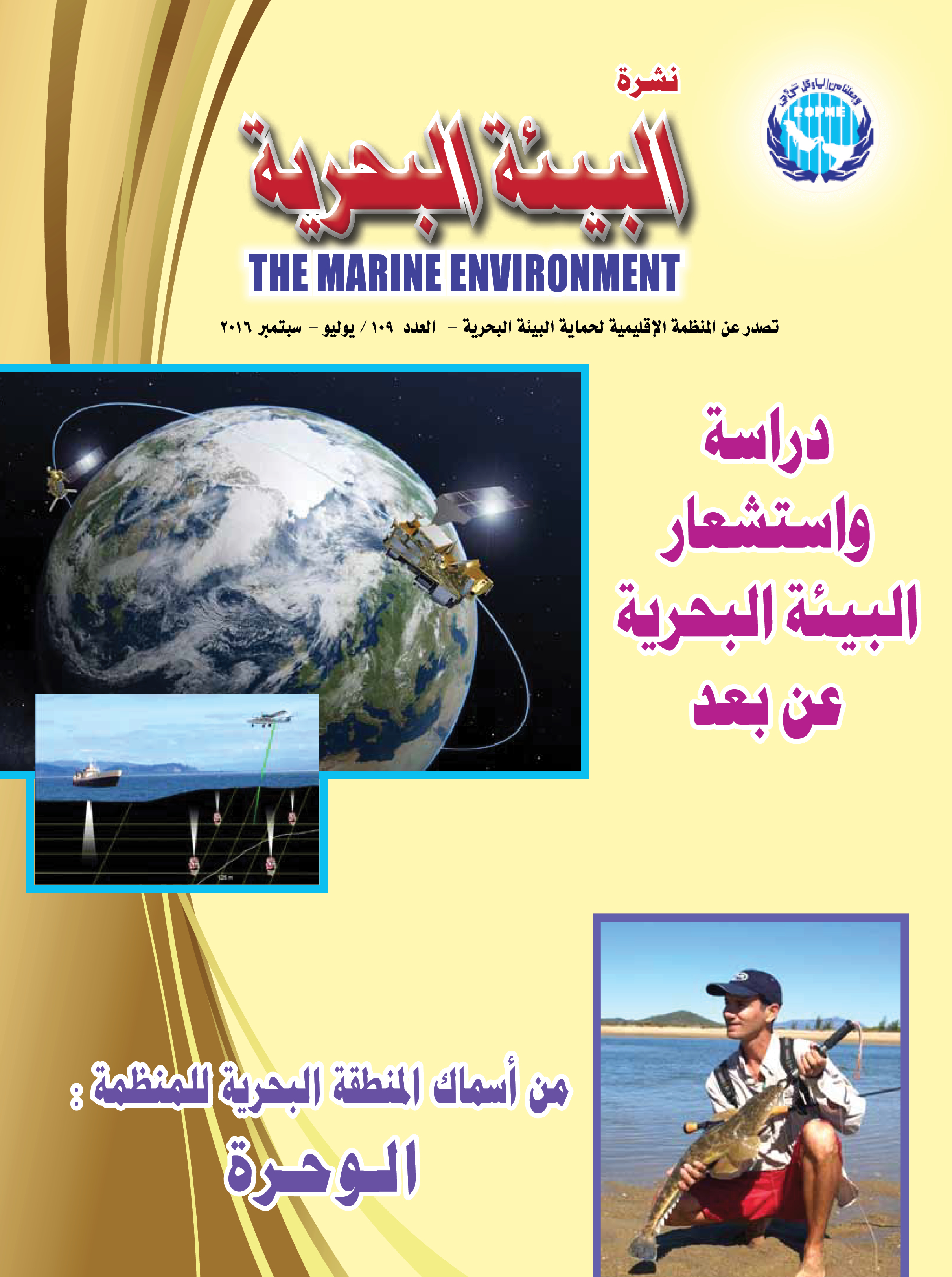
The Marine EnvironmentPublished by the Regional Organization for the Protection of the Marine EnvironmentIssue 109 / July-September 2016
-
-
to
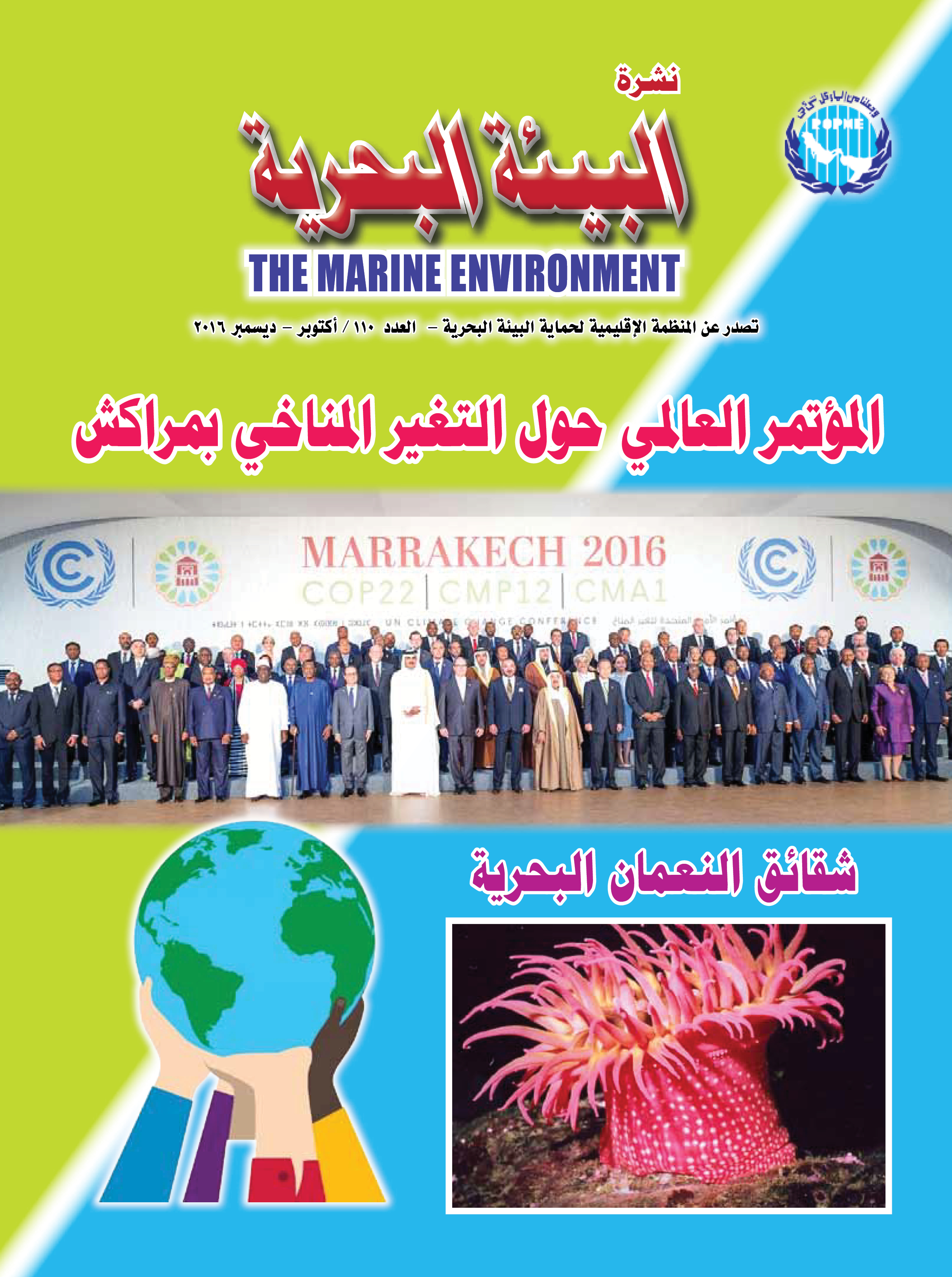
Marine Environment BulletinThe Marine EnvironmentPublished by the Regional Organization for the Protection of the Marine EnvironmentIssue 110 / October-December 2016
Explore More
-
-
-
to
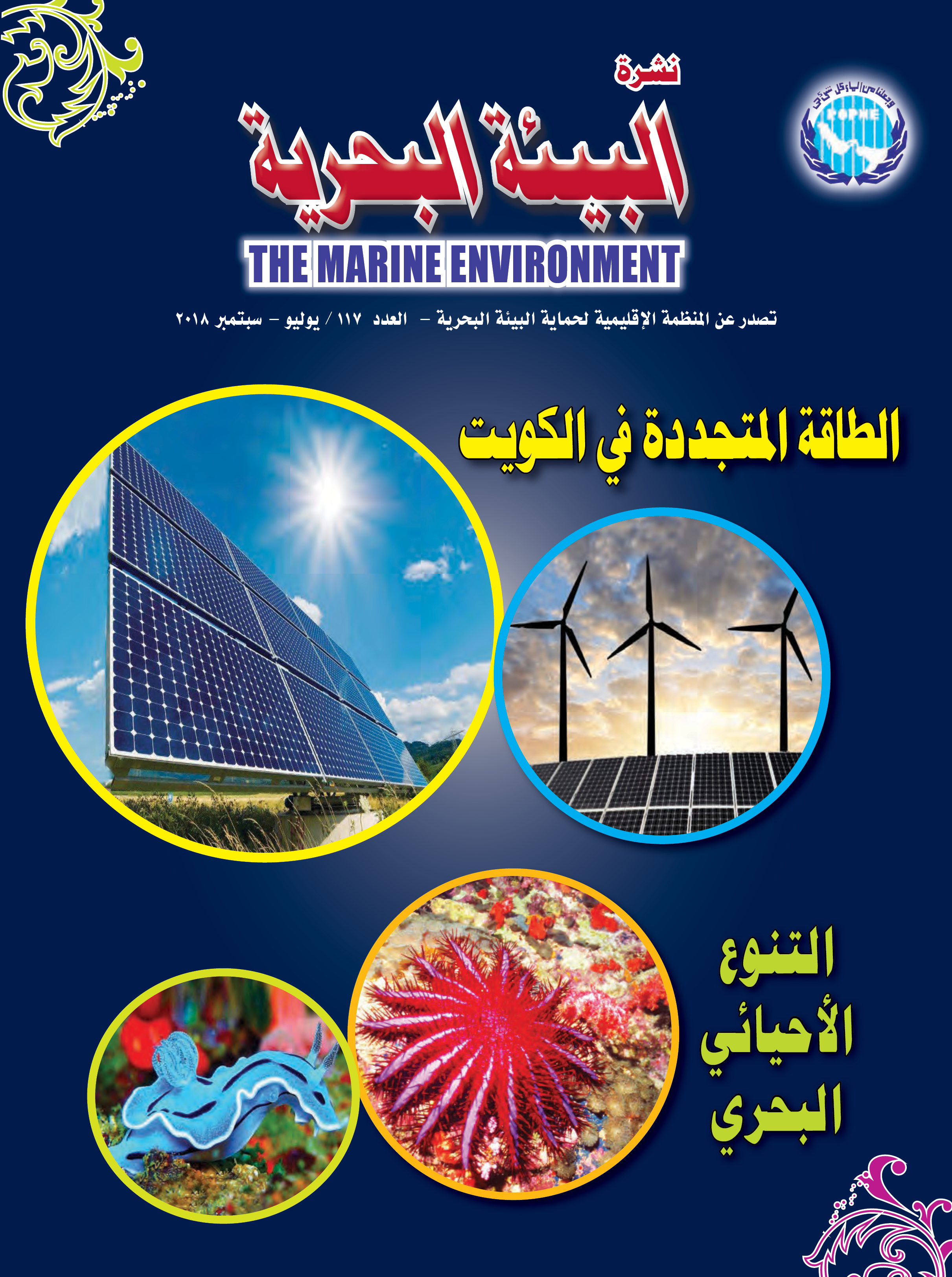
Marine Environment BulletinThe Marine EnvironmentPublished by the Regional Organization for the Protection of the Marine EnvironmentIssue 117 / July-September 2018
-
to
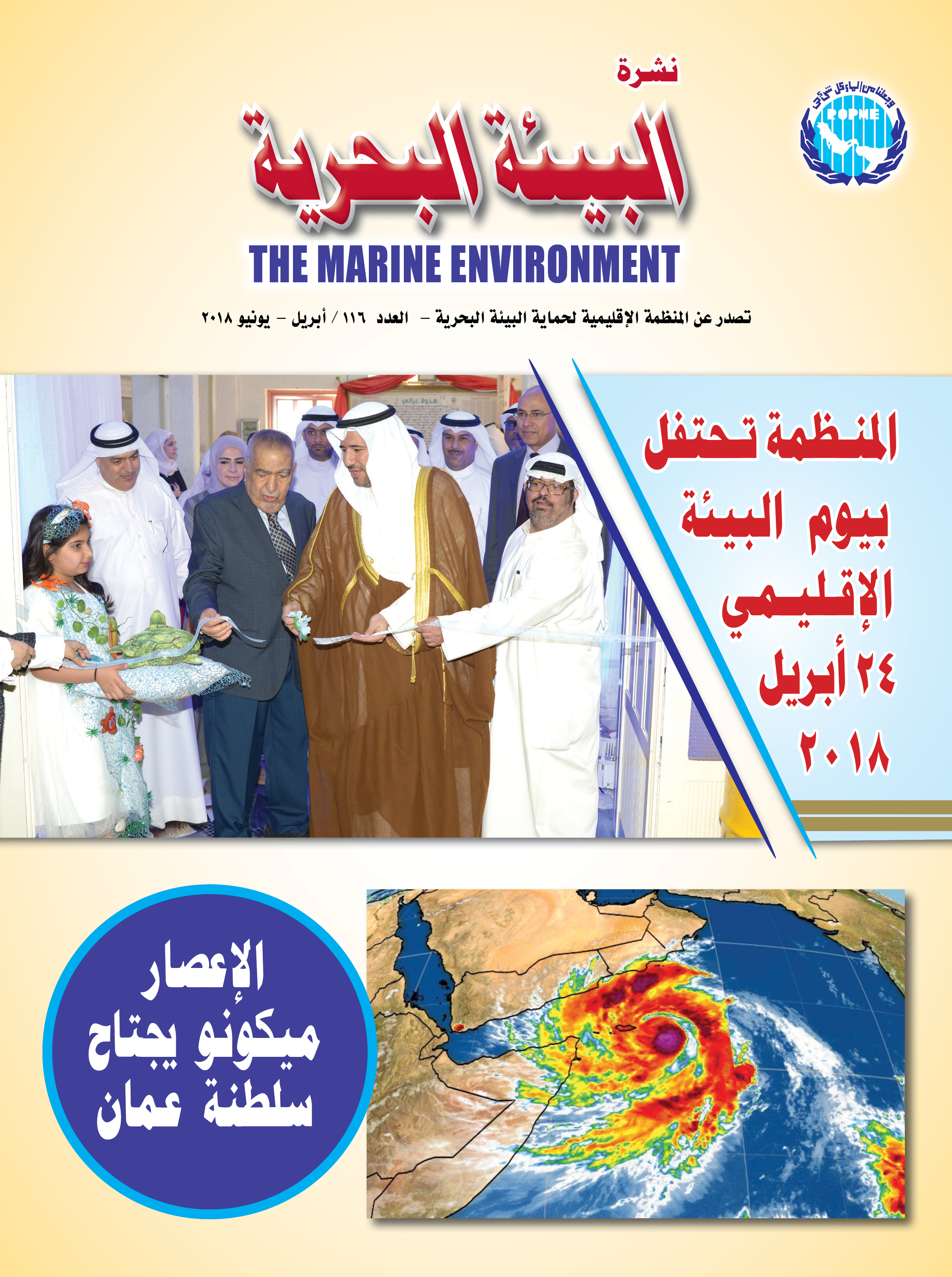
Marine Environment BulletinThe Marine EnvironmentPublished by the Regional Organization for the Protection of the Marine EnvironmentIssue 116 / April-June 2018
-
to
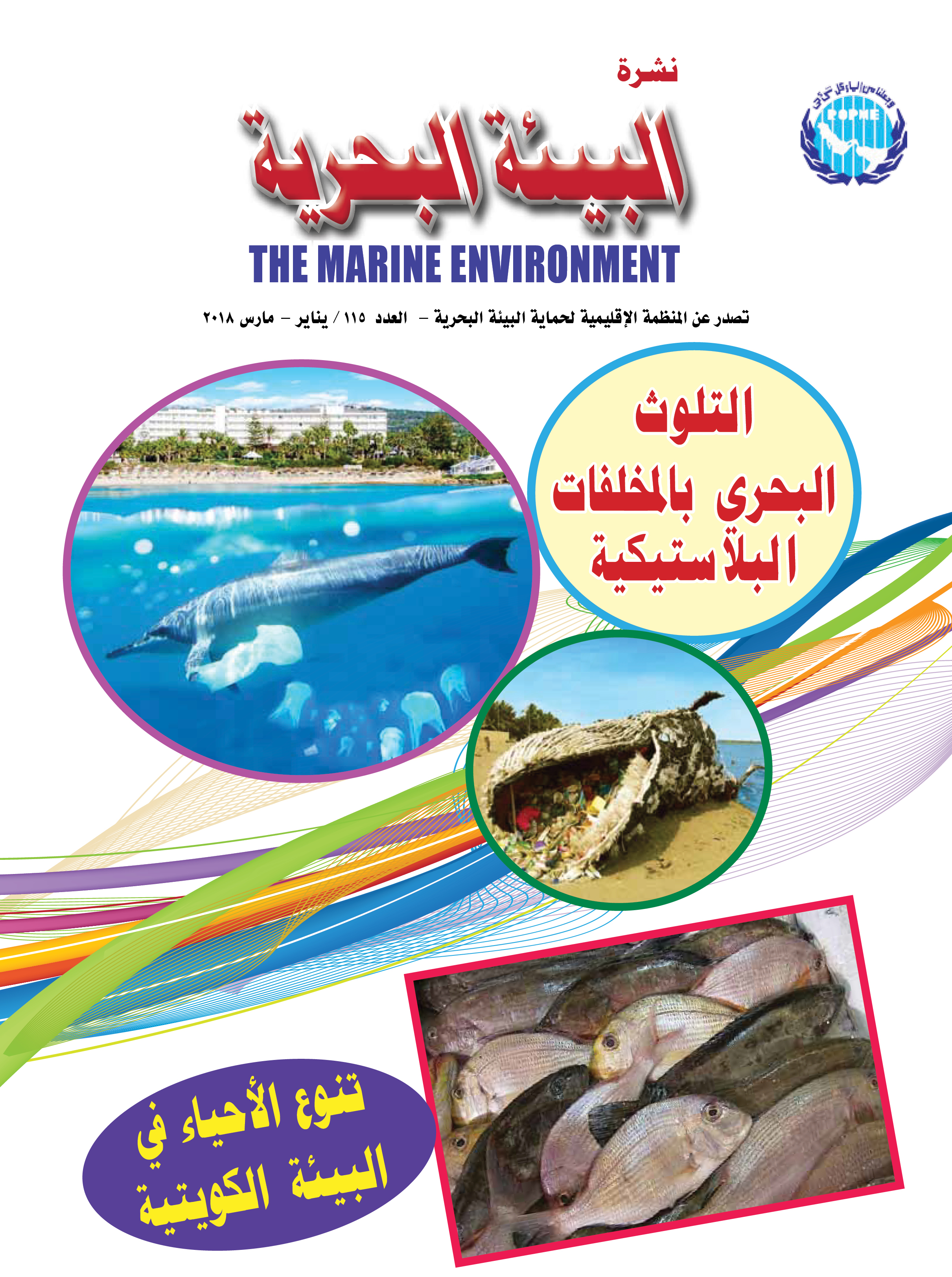
Issued by the Regional Organization for the Protection of the Marine Environment – Issue 115 / January – March 2018
-